 English
 Spanish
 French
 German
 Italian
 Chinese (Simplified)
 Japanese
 Korean
 Arabic
 Portuguese
Call us now
08045478250

 Send Inquiry
11kV Composite Polymer Disc Insulator
11kV Composite Polymer Disc Insulator Specification
- Alkali Resistance
- Excellent
- Thickness
- Approx. 80 mm (disc part)
- Weight
- 1.2 - 1.5 kg per piece
- Length
- 280 - 320 mm (total insulator length)
- Color
- Grey/Red
- Operating Temperature
- -40C to +60C
- Acid Resistance
- Excellent
- Hardness
- 605 Shore A (Silicone rubber housing)
- Chemical Name
- Composite Polymer (Silicone Rubber) Insulator
- Other Names
- 11kV Polymer Disc Insulator; Silicone Composite Insulator
- Appearance
- Disc-shaped insulator with grey/red silicon polymer housing and galvanized metal end fittings
- Physical State
- Solid
- Raw Material
- Silicone rubber, fiberglass reinforced resin core (FRP), hot-dip galvanized steel end fittings
- Insoluble %
- 100%
- Creepage Distance
- 320 mm min.
- Type
- Composite Polymer Disc Insulator
- Application
- Overhead Transmission and Distribution Line
- Tracking & Erosion Resistance
- High
- Dielectric Strength
- High; suitable for outdoor and polluted environments
- Standard
- IS:14255 / IEC 61109
- Design
- Hydrophobic Surface; Fog Type Available
- Minimum Mechanical Failing Load (SML)
- 70 kN
- Wet Power Frequency Withstand Voltage
- 27kV
- End Fitting Type
- Ball & Socket / Tongue & Clevis
- Tensile Strength
- 70 kN
- UV Resistance
- Excellent
- Dry Power Frequency Withstand Voltage
- 35kV
- Rated Voltage
- 11kV
- Storage Life
- More than 30 years
- Impact Resistance
- High
About 11kV Composite Polymer Disc Insulator
11kv 45KN T/C Type Composite Polymer Disc Insulator-
- Normal System Voltage 11kV
- Highest System Voltage 12kV
- System Frequency 50Hz
- Wet 1 Minute Power Frequency Withstand Voltage-35kv(Rms)
- Dry 1 Minute Power Frequency Withstand Voltage 50kv(Rms)
- Dry Lightning Impulse Withstand Voltage - 75kvp
- Visible Discharge Test Voltage 9k(Rms)
- Specified Mechanical Load - 45KN
Engineered for Reliability
Featuring robust silicone rubber housing and a strong FRP core, this disc insulator withstands mechanical loads up to 70 kN. It excels in harsh climates due to its hydrophobic, high dielectric surface and fog-resistant design, ensuring consistent electrical performance over decades.
Superior Environmental Resistance
The insulator demonstrates remarkable resistance to UV radiation, acid, alkali, and difficult weather conditions. Its excellent tracking and erosion resistance make it suitable for areas prone to pollution, while its solid construction ensures maintenance-free reliability.
Flexible Installation Options
Designed with both Ball & Socket and Tongue & Clevis end fittings, this polymer disc insulator suits diverse line configurations. Light weight (1.2-1.5 kg) and easy handling facilitate seamless installation and replacement processes by suppliers and traders nationwide.
FAQ's of 11kV Composite Polymer Disc Insulator:
Q: How is the 11kV Composite Polymer Disc Insulator typically used in electrical systems?
A: This insulator is primarily used in outdoor overhead transmission and distribution lines, providing crucial insulation between the conductors and supporting structures, thereby preventing current leakage and enhancing system reliability.Q: What are the benefits of using a composite polymer disc insulator over traditional porcelain?
A: Composite polymer insulators are lighter, possess higher impact and UV resistance, and exhibit superior performance in polluted or coastal environments due to their hydrophobic and erosion-resistant surface. These features result in easier handling and longer service life compared to porcelain alternatives.Q: When should I choose the fog type variant of this insulator?
A: The fog type design is recommended for areas with high humidity, frequent mist, or pollution, as its specialized profile enhances insulation performance by minimizing surface contamination and flashover risks under wet or foggy conditions.Q: Where can these insulators be installed within an electrical network?
A: They are suitable for installation on various structures, including transmission towers, distribution poles, and substations, especially in outdoor and harsh environmental conditions prevalent across India.Q: What is the installation process for this composite disc insulator?
A: Installation involves securely mounting the insulator to overhead conductors and support hardware using its Ball & Socket or Tongue & Clevis fittings. The process is straightforward due to the insulator's lightweight and robust construction, reducing labor time and physical strain.Q: How does the product perform in polluted or coastal regions?
A: Thanks to its hydrophobic silicone rubber housing and high tracking and erosion resistance, the insulator maintains dielectric strength and reliability even under heavy pollution or saline environments, making it ideal for such challenging locations.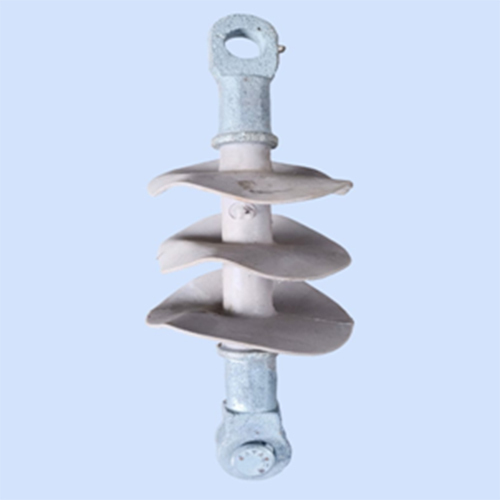

Price:
- 50
- 100
- 200
- 250
- 500
- 1000+

More Products in Polymer Pin Insulator Category
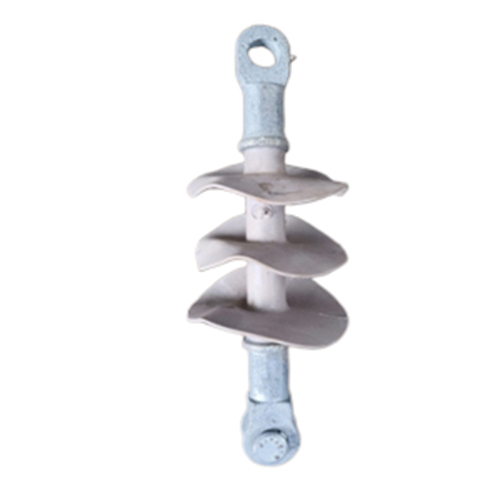
33kV Composite Polymer Disc Insulator
Physical State : Solid
Thickness : Approx. 80120 mm (varies by design)
Appearance : Discshaped, grey/red polymer housing, metallic end fittings
Alkali Resistance : Excellent
Weight : Approx. 2.54.0 kg per insulator
Other Names : Polymer Disc Insulator, Composite Suspension Insulator
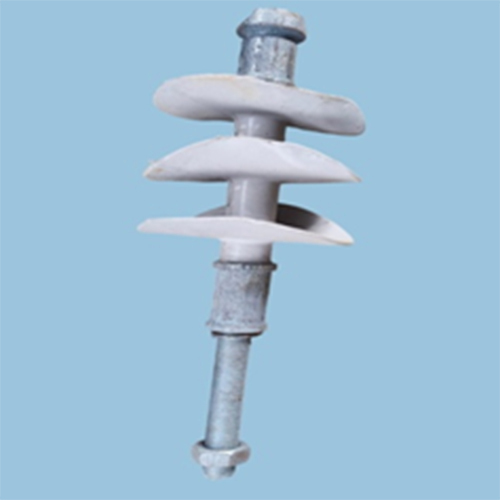
11kv Composite Polymer Pin Insulator
Physical State : Solid
Thickness : As per design, typically 40 to 55 mm
Appearance : Solid pinshaped insulator with metal fittings
Alkali Resistance : Excellent
Weight : Approx 1 1.2 kg
Other Names : 11kV Polymer Pin Insulator, Composite Pin Insulator
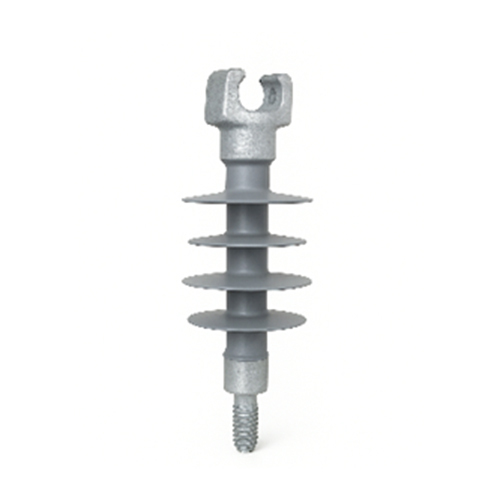
33kv Composite Polymer Pin Insulator
Physical State : Solid
Thickness : Approx. 80120 mm (Typical Stem/Body Thickness)
Appearance : Solid, Cylindrical Insulator with Metal Pin
Alkali Resistance : Excellent
Weight : 1.8 kg 2.5 kg (Approximate)
Other Names : Polymeric Pin Insulator, Silicone Rubber Pin Insulator

GST : 19BAWPK3219A1ZO

 Send Inquiry
- Hydro Electro Power Plant Projects
- WATER TURBINE
- WATER TURBINE FOR HYDROPOWER PLANT
- On Grid Solar Power Plant
- Solar Structures
- On Grid Solar System
- SOLAR PUMP WITH CONTROLAR PACKEG
- ON GRID SOLAR SYSTEM (UPTO 2KW to 10KW)
- LIGHTNING ARRESTER (POLYMER-PORCLINE)
- DROP OUT FUSE (POLYMER-PORCLINE)
- AIR BRAKE SWITCH (POLYMER-PORCLINE)
- Lightning Arreste
- INSULATER (POLYMER-PORCLINE)
- Hydraulic Power Pack
- CENTER ROTATING ISOLATER
- Switchyard Structure
- Control Panels
- Power Turbine
- Solar Panel Mounting Structure
- DC Connector
- Porcelain Insulators
- Polymer Pin Insulator
- Polymer Fuse Cutout
- Air Break Switches
- ALL TYPES OF PANEL
- Monoblock Pump
- Solar Inverter
- Solar Battery
- Solar LED Street Light
- Solar Panel
- Solar Charge Controller
 Send Inquiry
 Send SMS
Developed and Managed by Infocom Network Private Limited.

